Ask any chef, and they’ll tell you the ancient saying of “the first bite is with the eyes” is completely true. Science even backs it up, showing that
“Visual stimuli have been shown to alter the perception of taste, smell, and flavour. Expectations through learned associations are set by visual cues such as colour, gloss, evenness, and shape. These can and sometimes do alter assessments of taste and flavour.”
In plain speak, the way that food and drink look really matters. And it can be the reason why some videos get ignored, while others rack up millions of views, shares and sales.
The difference between success and failure often comes down to understanding one crucial truth: that capturing taste on screen isn't just about filming food, but it's about orchestrating a multisensory experience that tricks the brain into believing it can taste, smell, and touch what it sees.
But what are the cinematographic techniques, psychological triggers, and production secrets we use in our Food & Drink video production to transform ordinary food footage into irresistible visual experiences?
The Science Behind Food Video Success
Before the how, we’ll cover the why.
Research from Think with Google's Creative Works team reveals that successful food advertisements follow predictable patterns by:
- Immersing multiple senses
- Presenting authentic human stories
- Maintaining focus on a single, compelling message
When Little Black Book analysed KFC Canada's viral "Sorry, Not Sorry" campaign, they found the concept's power lay in tapping into a universal truth: sometimes food is so good you forget your manners. This emotional connection, combined with great technical execution, generated significant engagement.
But sometimes the key is in flipping the script.
In our #BeTheSauceOfControversy ad campaign for Heinz, we didn't go the obvious route of praising ketchup's tomatoey tang. Instead, we crafted a tongue-in-cheek narrative around the forbidden use of ketchup on a Christmas roast.
By championing the negative idea that ketchup ruins a roast, the video sparked an emotional conversation and real results. Social engagement hit an all-time high, and even Heinz's official team gave their seal of approval to the campaign.
Key Techniques in Food and Drink Video Production
We’re not here to tell you how to do this yourself. We’re here to show what goes into creating successful, enticing videos that truly capture taste on a screen.
Macro Cinematography Gets Close to the Craving
Macro cinematography transforms the invisible into the irresistible. Extreme close-ups reveal textures and details the naked eye can't perceive, and macro shots create an intimacy with food that triggers powerful emotional responses.
The secret lies in specialised equipment like probe lenses to focus at ultra-short distances while maintaining dramatic, wide-angle perspectives. This allows filmmakers to weave through cake layers or glide along cocktail glasses, creating immersive journeys into the microcosm of flavour and simulating the anticipation of a first bite or sip.
Viewers feel as though they're about to taste what they see, feeling the crunch, smoothness, or effervescence. That feeling can easily translate into a sale.
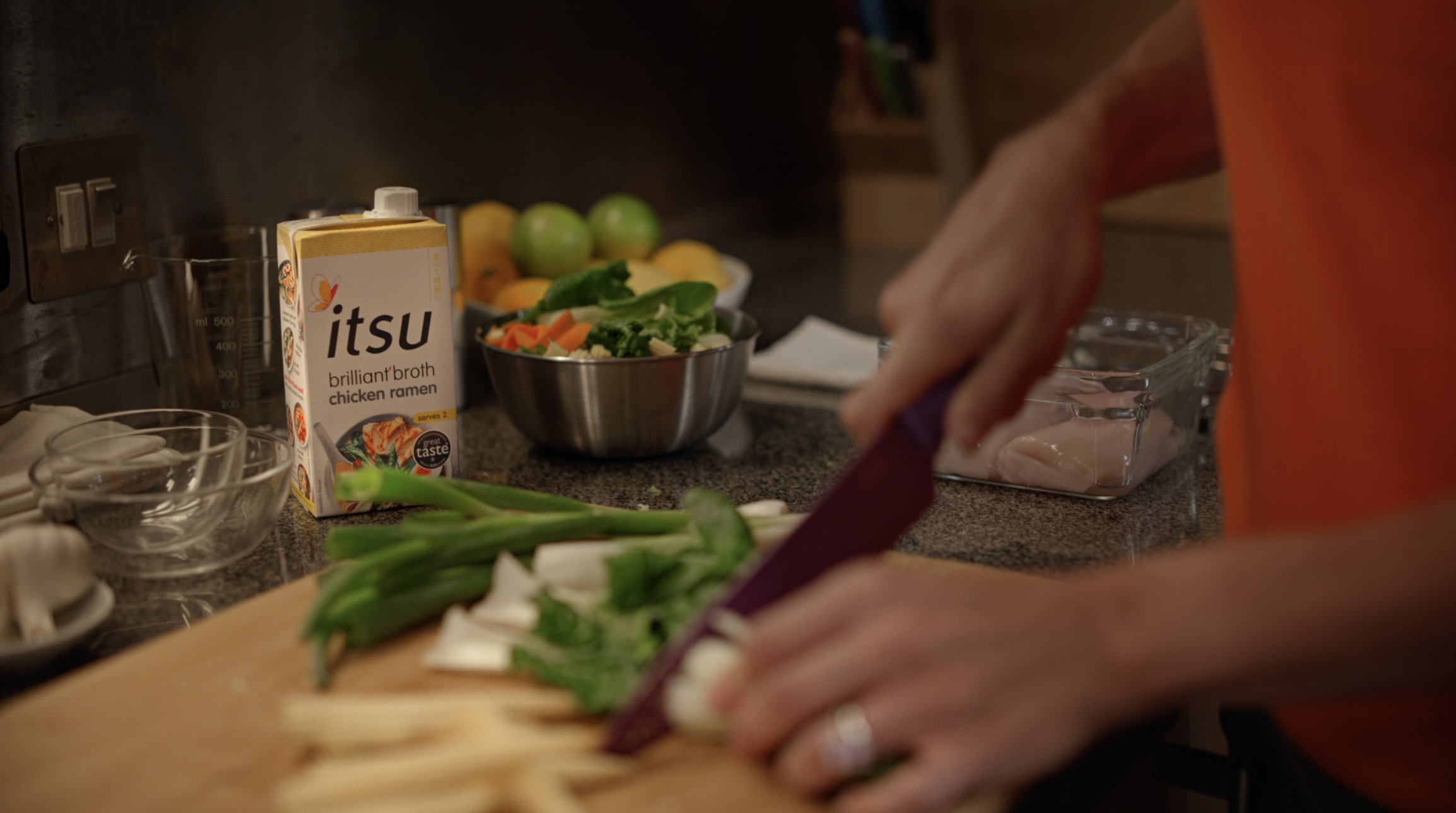
Lighting is Everything
Professional food videographers treat lighting as the invisible ingredient that can make or break appetite appeal… the MSG of food and drink video production.
Strategic lighting techniques include:
- Backlighting to make translucent elements pop and highlight steam, fizz, or rising smoke
- Side lighting to emphasise textures, making croissant ridges crisp and beer bubbles glisten with definition
- Soft, diffused lighting to create an inviting, appetising glow while avoiding harsh shadows
- Using polarising filters to remove reflections and glare
High-quality LED panels offer precise control over intensity and colour temperature to dial in warm, golden tones for comfort foods or bright, clean light for fresh produce. This technical precision ensures every crumb, crust, and crumbly edge looks tantalising while setting the emotional tone that fits your brand.
Sound Design Triggers hunger
While taste and smell can't transmit through screens, sound is very effective at filling those sensory gaps. The sizzle of a steak, the crunch of fresh bread, or the pop of a cork instantly evokes memories and sensations that complete the sensory experience.
Expert sound design goes beyond basic audio capture. Professional recording equipment captures every pour, stir, and bite in high fidelity, subconsciously stimulating viewers' taste imagination.
Slow Motion Savours Every Second
Slow motion invites viewers to linger on every detail, creating an indulgent, almost hypnotic effect. This technique proves especially powerful for beverages and dynamic kitchen action, turning split-second food moments into mesmerising visuals.
Wine swirling in a glass, condensation forming on a cold beer, or vegetables tumbling through a pan become hypnotic when slowed down. These dramatic food porn shots have become advertising staples because they work
Food Styling For Camera-Ready Perfection
Professional food styling is where science meets artistry, ensuring every ingredient looks its absolute best under camera conditions, often using ingenious tricks that viewers never notice. These include:
- Using colored mashed potatoes as ice cream substitutes that won't melt under hot lights
- Glycerin spray mixed with water for realistic condensation that won't evaporate
- Motor oil instead of syrup for pancake shots (it pours more slowly on camera)
- Hand-steamers to re-melt cheese on cue for perfect oozing moments
- Brushing foods with oil for sheen
Great food styling bridges the gap between real and ideal, presenting food at a heightened state of attractiveness while respecting authenticity. Especially as advertising guidelines typically require the hero product itself to be genuine.
Narratives That Go Beyond the Plate
In an era where food videos are everywhere and attention spans are shrinking, compelling storytelling can be the difference between more scrolling and a pause to watch. Effective food storytelling strategies include:
- Heritage narratives connect products to origins, makers, and traditions
- Process revelation shows the craftsmanship behind creation
- Cultural context positions food within lifestyle and values, as we did for Higgidy
- Unexpected perspectives give fresh angles on familiar products
These approaches create authenticity and reinforce brand values. A coffee commercial might show steaming espresso shots alongside the Kenyan farmer who grew the beans, creating emotional resonance that visuals alone cannot achieve.
For today's consumers, especially younger demographics who prize authenticity, the story behind the food can be as important as the food itself.
Seasonal and Cultural Optimisation
Timing your food content to cultural moments, seasons, and eating patterns dramatically improves engagement. Think winter comfort foods, cold drinks during summer months, festive traditions, and cultural celebrations to provide content opportunities with built-in audience interest.
Post Production Magic
Post-production transforms raw footage into sensory experiences through colour grading, editing, and sound design. Greens become lush and fresh, reds and berries gain richness, and golden-brown roasted items glow with warmth. This phase often determines whether a video merely shows food or makes viewers crave it.
Rhythm and Pacing
Editing rhythm should both drive and match the content’s energy.
For example, quick cuts for dynamic recipe tutorials and slow dissolves for romantic wine commercials. Editing techniques such as speed ramps can transition smoothly between normal and slow motion, while sound design layers in perfectly synchronised sizzles and crunches, with music and voiceover reinforcing narrative elements.
Industry Trends Shaping Food Video Production
The Platform-Specific Approach
Different platforms require tailored strategies. Instagram favours polished, aspirational content, while TikTok rewards authentic, trend-driven videos. YouTube accommodates longer-form educational content, and LinkedIn serves B2B food industry communications. Successful brands adapt their video strategies to platform-specific audience expectations and algorithmic preferences.
ASMR Integration
The effectiveness of ASMR elements in food marketing continues to grow. Brands increasingly incorporate whispers, tapping, and close-miked audio of slicing, sipping, and chewing to create memorable sensory experiences that stand out in crowded feeds.
For example, IKEA's "Oddly IKEA" 25-minute ASMR advertisement led to a roughly 5% increase in both in-store and online sales during the campaign run.
The Importance of Working with Professional Food & Drink Video Production Partners
In today's saturated digital landscape, where 89% of businesses use video as a marketing tool, and consumers make split-second decisions about what content deserves their attention, the stakes have never been higher.
Capturing taste on screen requires an intricate blend of technical expertise, creative vision, and psychological understanding. The most successful food videos transport viewers into sensory experiences that create genuine desire and drive meaningful action.
Getting these techniques into the final film requires significant expertise and specialised equipment. The user needs to taste with their eyes and ears, and that’s why brands should work with professional food video production companies from the outset.
Are you a food and drink brand looking to deliver something different? A commercial that hits the spot like a cold beer on a warm day? Contact us today to find out how we can take content to places you didn’t think it could go.