The success of that food ad that makes you tag your partner and add ‘chocolate lava cake’ to your shopping list isn’t luck.
You might see a molten chocolate centre ooze from a perfectly cracked dessert in slow motion, but psychological triggers and a proven formula are working in the background to make you stop, watch, save and share.
But what are the key ingredients that make some food ads stand out while others go down as well as your old, bland school dinners?
The Irresistible Psychology of Food in Visual Media
Food advertising operates on a primal level that other industries simply can't access. When we see appetising food imagery, our brains activate reward centres and respond as if we're about to eat. Neuroscientists call this ‘visual hunger’, and research suggests that seeing images of food on social media can make viewers feel hungry, explaining why food content is so addictive to scroll through.
This reaction is exactly what the groundbreaking Marks & Spencer ‘This is not just food’ campaign capitalised on in the mid-2000s. By stripping away generic dinner-table scenes and focusing purely on sensuous, macro close-ups of food, those ads were incredibly successful at a time Britain was falling in love with food culture.
In fact, people marched to M&S stores after seeing a gooey chocolate pudding in one 2005 ad, and sales of that dessert shot up by 3500%. This demonstrated that incredible imagery and iconic sound, combined with a relatable message, can go beyond the screen and cause real-world action.
The Essential Ingredients of Viral Food Adverts
Compelling Storytelling Above Product Features
At the heart of every viral food advert lies a story about the experience, feeling, or aspiration it represents. And the most successful campaigns make food a character in the story rather than just a prop.
The legendary Guinness "Surfer" ad from 1999 became iconic for its unforgettable visuals and audio, as a surfer waits patiently for the perfect wave, which finally arrives in the form of frothing white horses galloping through the surf. It’s since gone down in history as one of the all-time best ads.
Rather than focusing on the drink, the ad conveyed a broader narrative of perseverance and reward. The ad's tagline, "Good things come to those who wait," spoke to Guinness’ slow pour and a universal human experience that viewers found inspiring.
Similarly, John Lewis Christmas adverts have become cultural events where festive feasts symbolise family, connection, and joy. These mini-films aren't just about turkey or pudding per se, but the emotions and memories intertwined with those foods.
For food brands, this approach means finding the deeper human story within your product.
Cultural Timing
Viral hits often resonate because they tap into the cultural zeitgeist. Timing and context can massively amplify a food advert's success when it coincides with trends, moods, or societal moments.
KFC’s "FCK" campaign did just that. In early 2018, a supply chain disaster caused hundreds of KFC restaurants to run out of chicken. It blew up in the headlines and on social media, but rather than hide away, KFC faced it head-on. They took out full-page newspaper ads showing an empty chicken bucket emblazoned with the brand's letters rearranged to spell "FCK”, with a simple message above saying "We're sorry."
The ad instantly went viral online, earning 733 news articles and an estimated audience of 800 million in just three months. On social media, the image was shared with an additional 219 million people. By May 2018, the "FCK" campaign had achieved over 1 billion impressions combined.
Visual Excellence
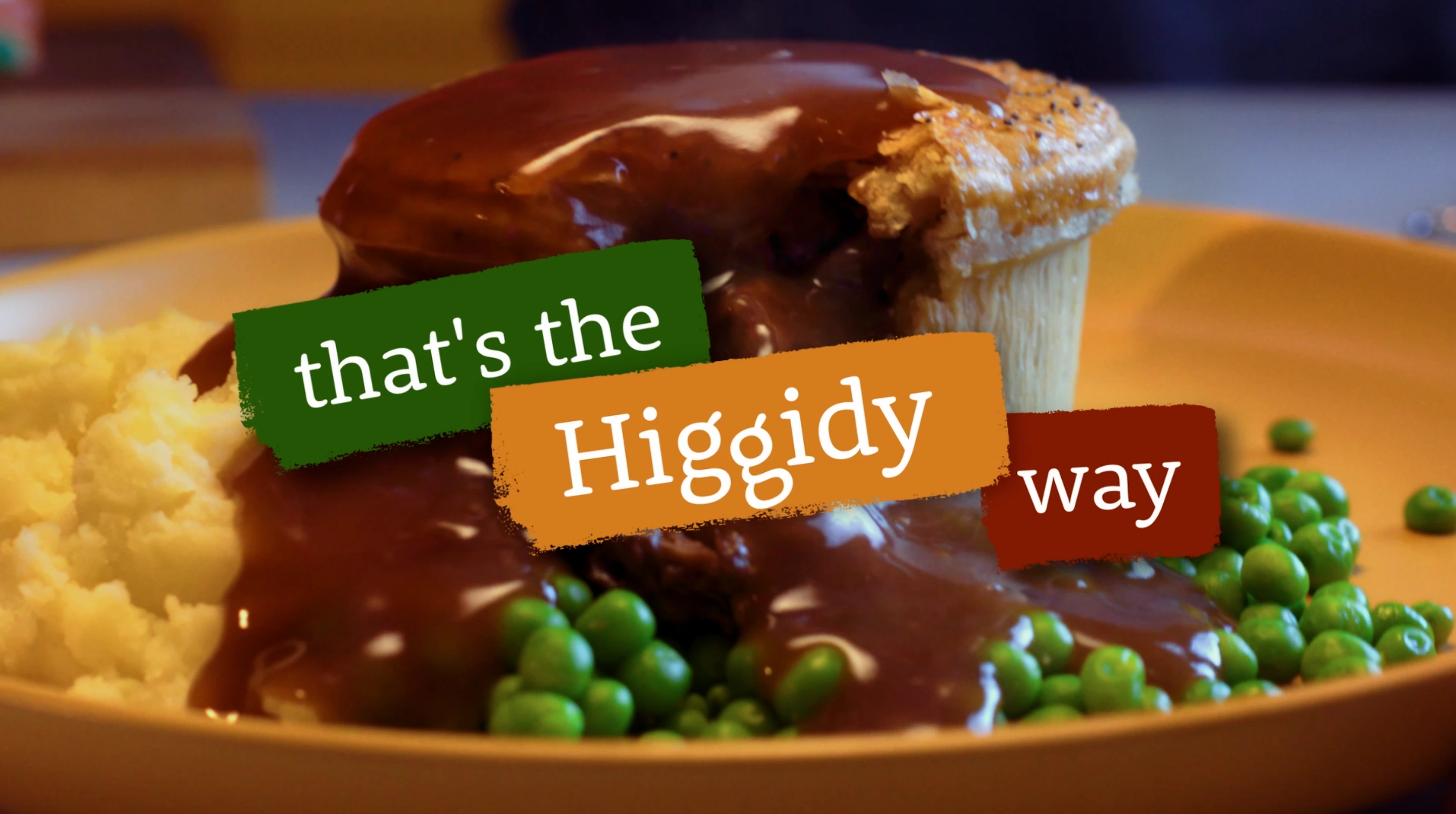
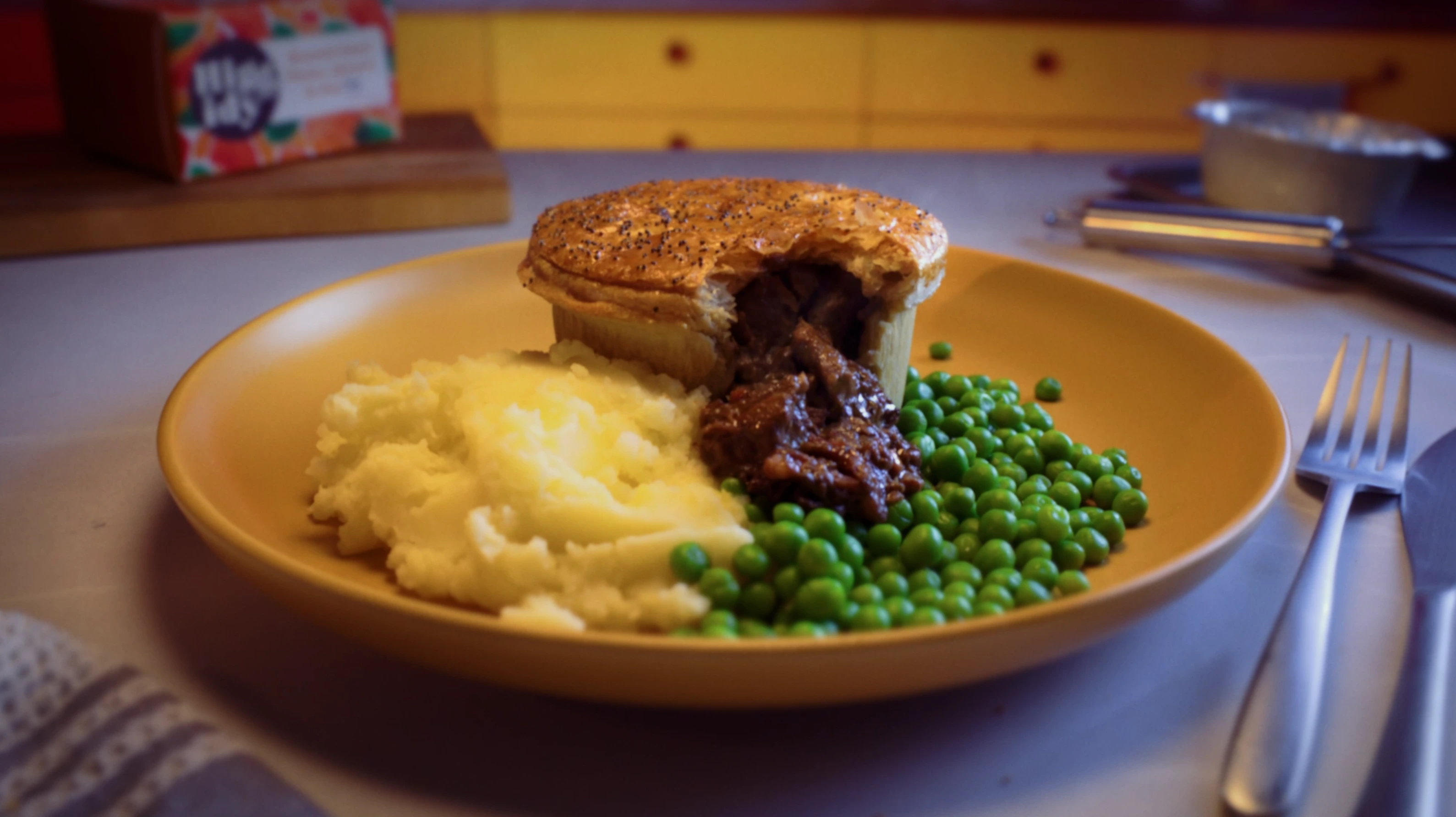
Viral food adverts often look stunningly delicious, making viewers pause their scrolling and take it in. The secret lies in outstanding cinematography, food styling, and sound design that creates a true visual feast.
The Marks & Spencer campaign mentioned earlier pioneered this level of visual indulgence, but it’s become the norm, featuring:
- Macro lenses capture extreme close-ups of textures (bubbling cheese, frothy bubbles in fizzy drinks)
- Slow-motion footage turns simple actions like pouring syrup into hypnotic experiences
- Meticulous food styling with real ingredients, steam effects, and perfect composition
- Strategic sound design in the crack of crème brûlée or sizzle of steak triggers sensory memories
Working with Nestle, we used these same methods to challenge stereotypes around plant-based milk and tackle the doubts that stop people from making the switch.
The Neuroscience Behind Food Virality
Food appeals to our most primal instincts. The sight and sound of appetising food activates the brain's reward centres, releasing dopamine and making viewers physically crave what they see.
Emotional hunger also plays a crucial role, as food is deeply tied to comfort, nostalgia, celebration, and reward. Numerous marketing studies have found that ads which elicit strong emotions (laughter, awe, sentimentality, surprise) are far more likely to be remembered and shared.
Your 5-Pillar Framework for Viral Food Marketing
But what does this mean for you? How can we work together to create viral food adverts that leave a mark?
The 5-Pillar Framework is based on globally successful food ads and can be a helpful blueprint to help make sure your film succeeds as it should.
1. Authentic Stories
The narrative is the important bit, and your product is there to support it. It needs to be true to your brand and meaningful to your audience. Find the human element or cultural context that makes your food more than food.
Ask yourself: Is your burger the embodiment of summer BBQs with family? Does your cold drink make viewers think of quenching their thirst on a hot day?
2. Cultural Intelligence
Lean into what's happening in the world and match your message with cultural moments or values, but do it sincerely. Viewers recognise a bandwagon when they see one.
Make sure you tailor your content to local cultures when going global, as even subtle considerations can make or break a campaign.
3. Visual Excellence
Invest in quality production and creative concepts from a partner that knows what they’re doing. High production values are the expectation rather than the exception, but getting it wrong can derail the entire campaign.
4. Emotional Resonance
Aim to connect with the viewer, not just impress them. Whether it’s through humour, nostalgia, warmth, or excitement, making viewers feel something is the key to success. There isn’t a single formula, and laughter can be as effective as tears, as long as it hits the mark.
5. Platform-Appropriate Formats
Design content with distribution in mind and plan for publishing across channels. A 6-second YouTube bumper requires a different execution than a 2-minute cinematic film; a 30-second TV commercial has different considerations than a vertical Instagram reel. Either way, it’s more efficient and cost-effective to plan and shoot everything all at once.
Contact Gusto Film
Creating viral food content involves combining visual excellence and production values with an understanding of human psychology, cultural timing, and above all, a strong creative concept.
The brands that make memorable ads are those that are willing to take risks, try something different and work with a partner that can deliver it. If that tickles your proverbial taste buds, contact us below to find out how we can help you create your next viral food film.